

What is the spike in the forex chart?
The sudden large movement in the Forex market due to an imbalance of liquidity is called a spike. We can see such spikes most of the time on major data releases such as Non-Farm Payroll (NFP), FOMC statements, ECB Press conferences, Rate declarations, etc. We can also see such a spike in normal market conditions without news due to banks’ large orders. Basically, the forex market draws a price bar that looks like the trading activity went crazy in this period. In this article, we shall discuss all the points of abnormal behavior in price.In a Forex chart, a spike produces the following features:
- A meaningful price gap – In the forex chart, the gap is the difference between the opening and closing levels of the previous day. Mostly, the gap is forming because the close and open of the previous day/ time frame are at different price levels. In markets with high volatility, gaps can also occur within a session.
- A sharp price rebound – In forex or stock trading, price rebounds are a natural occurrence within the constantly changing price behavior. That means the price is moving to the opposite side from the previous big moves.
What is Liquidity?
Liquidity is the estimate of the trading activity in the forex market. Liquidity is a measure of how easily an asset can be exchanged. Liquidity is an economic term that designates the amount of money immediately available. Thus, when we talk about liquidity, we tend to designate the assets in cash. Market liquidity depends on the asset concerned, but within the same asset class, there are also different levels of liquidity. In fact, for liquidity, the forex market moves in a certain direction. So to understand order flow, a trader must know about liquidity. This is liable for creating price action and a spike in the chart. For Example, Major banks, hedge funds, Investment Firms, and other large financial institutions maintained forex liquidity in the marketplace. Liquidity providers such as commercial banks connect brokerages with those institutions. This way, they fill the order books with an unlimited amount of bids and ask-offers.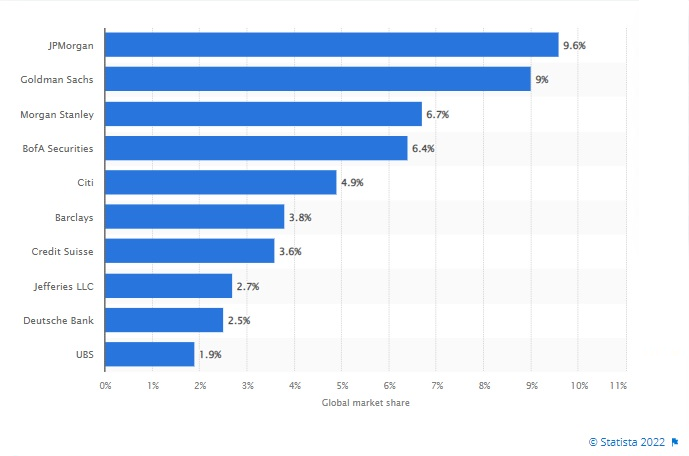 Investment banks – Global market share
Liquidity risk
One of the main risks linked to investment is liquidity risk. It is an inherent risk in investing. It refers to the fact of not being able to sell its assets m at a price far below their intrinsic value. This fall in prices in order to conclude a sale on an illiquid market is called an illiquidity discount. To create a spike in the forex chart, liquidity is very much relative. Forex Spike Trading is a popular trading style for some traders. I am going to describe the financial and technical causes behind the creation spikes on the chart. To build up a Spike Trading Strategy, you need to know the real cause of the spike. In this view, two main reasons are behind: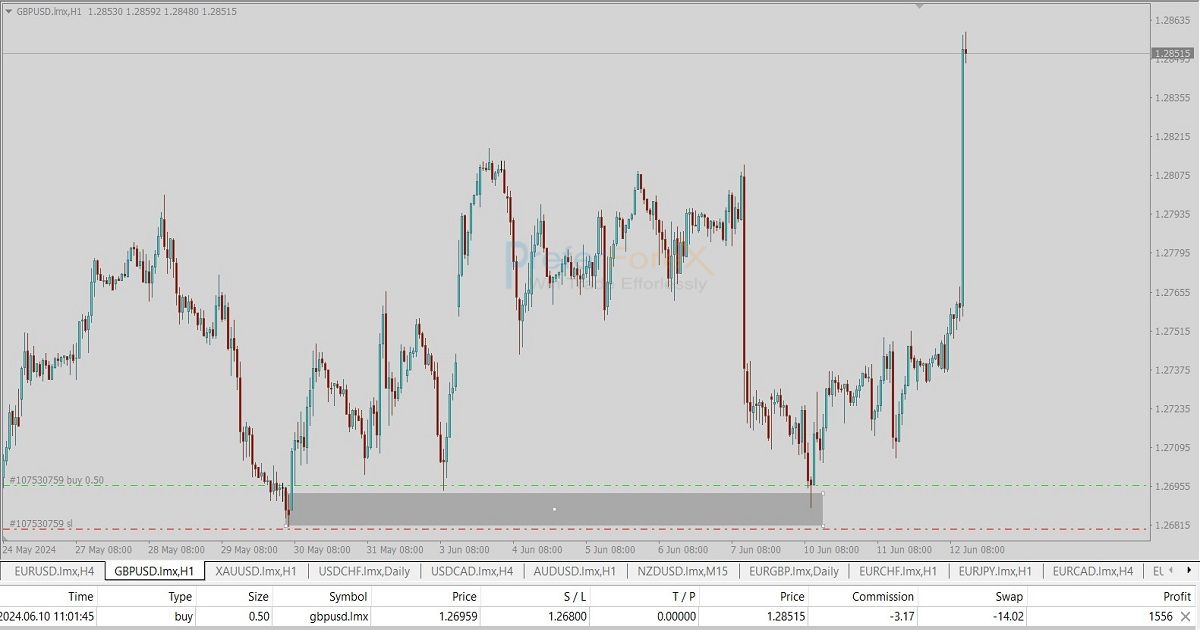
Excessive Liquidity
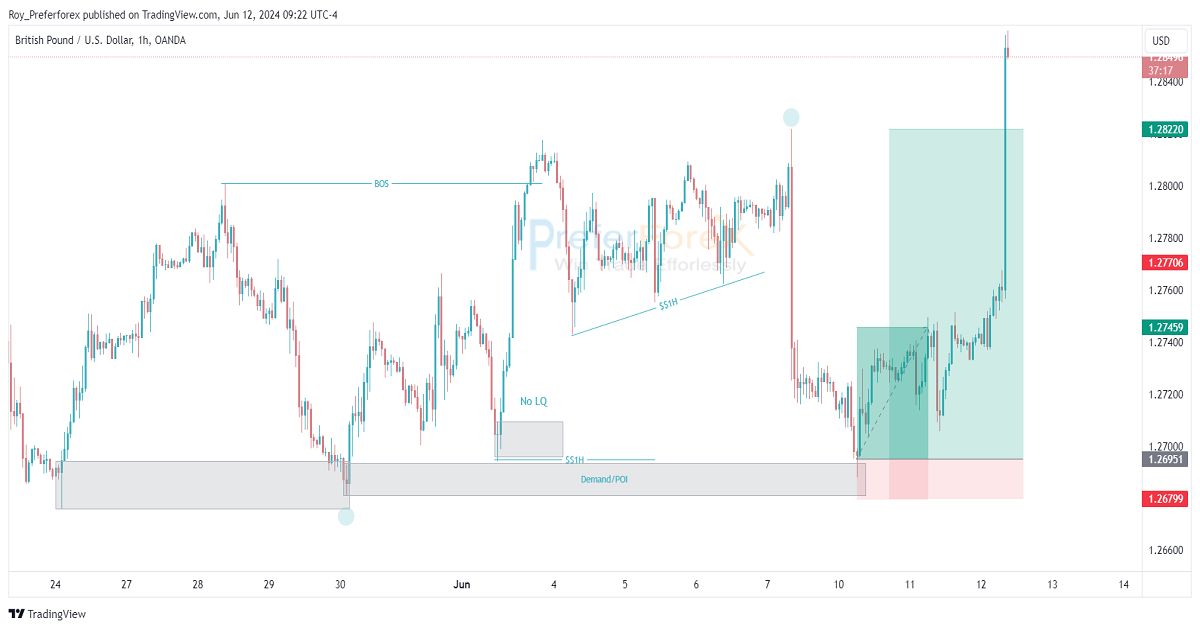
Firstly, Excessive liquidity and illiquidity in banking are situations of concern for the monetary authorities of a country. Excessive liquidity leads to a Real spike in the market. When there is excessive liquidity, the market spikes and makes a fresh movement. The market does not have any news or fundamental issues for this movement. Most of you may be surprised by seeing this movement without any news. But the truth is that when there is excessive liquidity, the market moves crazily, and this leads to a fresh movement. This excessive liquidity performs in the market because Professional money, big investors, or banks take their position. This movement can occur at any time, with or without any news. Here to examples of spikes in the chartLack of Liquidity
A lack of liquidity leads to a False spike in the market. Illiquidity raises fears of bank panics, which can lead to rushes on deposits, sometimes leading to banking crises. In forex trading, we refer to the market liquidity as closely linked to that of the liquidity of a financial asset. This refers to the speed with which this asset can be exchanged for money without loss of value. Liquidity is the main mover of the market. Lack of liquidity, a currency pair activity would be chaotic, with price jumps and gaps in the chart. Illiquidity can cause abnormal price swings and unmanageable fluctuations.Fundamental & Illiquidity
Moreover, fundamental aspects can make fewer bid-ask offers in the market. Illiquidity occurs mostly at the time of the news. During news time or 1/ 2 minutes before the news, the market moves crazily in a direction, then returns immediately to the level from where it started the movement by making a false spike. This is because if there is a lack of liquidity, the market moves crazily up or down to collect the liquidity.
But it can’t sustain and return to the level from which the price starts to move. When markets make such a false spike to collect liquidity, the interbank market cannot shift the exchange rate, and they still trade at the previous price level. For this reason, the market returns to the previous price by creating a false spike.
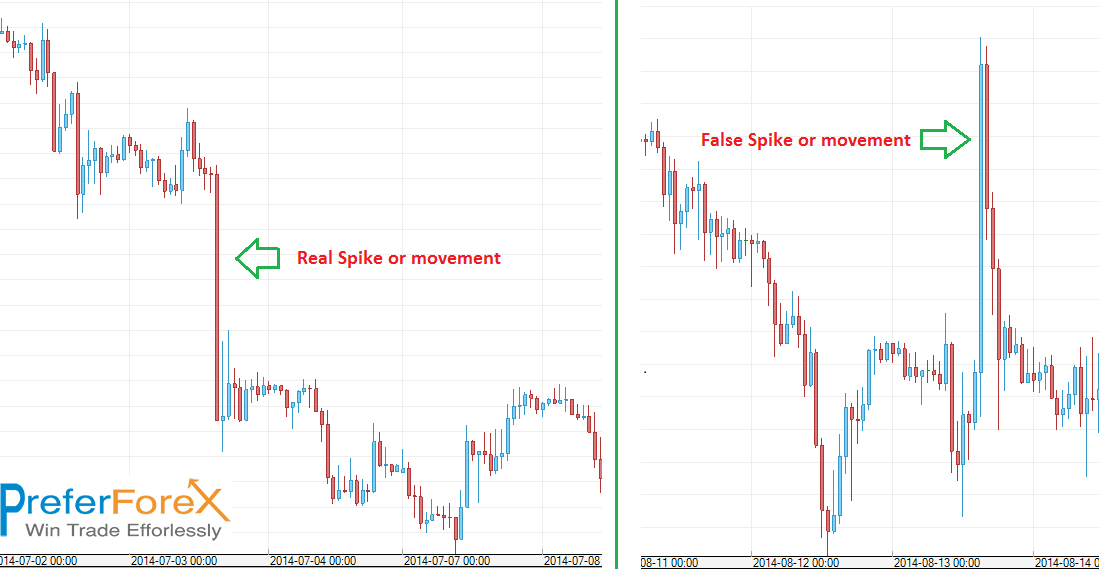
On the above side, it is shown that the left side chart creates a nice spike on the downside, and after the market stays at the price level. This is the real spike movement. But on the other hand right side, the up buy spike corrected immediately.
PreferForex traded cautiously in all market situation upon best analysis and market information that is unique forex signals provider.
Interst Rate Impact
Interest rate announcements from major central banks are one of the most powerful catalysts for sudden spikes in the forex market. When institutions such as the Federal Reserve, ECB, or Bank of England release their rate decisions, traders instantly reassess the value of a currency based on expected returns and future monetary policy. Even a small change, such as a 0.25% rate adjustment or an unexpected policy outlook, can trigger aggressive buying or selling as global capital quickly shifts toward currencies offering higher yields. This rapid repositioning of institutional orders often creates sharp price spikes and increased volatility on forex charts. If you want to understand in detail how monetary policy and rate decisions influence currency movements, read our guide on how interest rates affect the forex market.Liquidity Sweep and Stop Hunting
Forex spikes can also occur due to liquidity sweeps, a situation where large market participants push price toward areas where many stop-loss orders are clustered. Retail traders often place stops above obvious highs or below clear lows. When price reaches these zones, a wave of stop orders gets triggered simultaneously, creating a rapid burst of buying or selling pressure. This process is often referred to as a liquidity grab or stop hunt, and it frequently produces the sharp spikes traders see during active market sessions.Central Bank Policy Expectations
Sometimes spikes appear even before a rate decision is officially released. This happens when traders adjust their positions based on changing expectations about future central bank policy. Rumors, speeches from policymakers, or unexpected economic indicators can shift market sentiment quickly. When institutional traders rebalance their portfolios ahead of major announcements, the sudden influx of orders can create temporary spikes in price as liquidity rapidly changes across the market.False Spike vs Real Spike in Forex
Not every sudden movement in the forex market represents a true change in trend. Traders often notice sharp price spikes on the chart, but these movements can be either a real breakout driven by strong institutional activity or a temporary false spike caused by liquidity grabs. Understanding the difference between the two is essential for protecting your trading capital and avoiding emotional decisions.
A real spike usually happens when major economic news, interest rate decisions, or strong institutional order flow enters the market. In this case, price often continues in the same direction after the initial surge because large market participants are building positions. These moves tend to be supported by increased volume and strong momentum across multiple timeframes.
 Spike in MT4 Terminal
A false spike, on the other hand, typically occurs when price briefly moves beyond a key level to trigger stop-loss orders before quickly reversing. This type of movement is often associated with liquidity sweeps, where the market collects orders placed above highs or below lows before moving in the opposite direction. Traders who enter the market too early during these spikes can easily get trapped.
Because spikes can behave unpredictably, proper risk management is essential. Professional traders always protect their positions with well-placed stop-loss orders rather than trading without protection. If you want to learn the correct way to protect your trades and avoid unnecessary losses, read our detailed guide on placing the proper stop loss in forex trading.
Why Spikes Often Happen During the London and New York Sessions
Forex market spikes occur more frequently during the London and New York trading sessions because these are the periods when global liquidity and institutional participation are at their highest. Major banks, hedge funds, and financial institutions execute large orders during these hours, which can quickly move price when liquidity shifts from one level to another. When multiple institutions enter the market at the same time, price can accelerate rapidly and create the sharp spikes traders often see on their charts.
The overlap between the London and New York sessions is especially important. During this period, trading volume increases significantly as European and American market participants are active simultaneously. High-impact economic reports from the United States and Europe are also usually released during these hours, which can trigger sudden volatility and strong price reactions across major currency pairs.
For traders, understanding these session dynamics is important because spikes during high-liquidity periods often move faster than expected. Without proper risk management, sudden volatility can quickly turn a profitable trade into a loss. That is why experienced traders always manage their risk carefully and protect every position with a clearly defined stop-loss order.